The largest upset in the lottery occurred in 1993 when the Magic won the lottery with just a 1.5% chance to win. The second largest upsets occurred in 2008 and 2014 when the Chicago Bulls and Cleveland Cavaliers both won their respective lotteries with just a 1.7% chance. In 1999, the Charlotte Hornets also overcame long odds in the draft lottery when they won the third pick despite having the best record among all non-playoff teams. The Hornets only had a 1.83% chance of winning a top-three pick.

Since the lottery was introduced in 1985, only 21 of 30 NBA teams have won the lottery. The Los Angeles Clippers have won five lotteries, although two of them were conveyed to other teams in trades prior to the lottery. The Orlando Magic, Cleveland Cavaliers, and Brooklyn Nets are second with three lottery wins each. Since the weighted lottery system was introduced in 1990, only seven teams with the worst record went on to win the lottery while only four teams with the second-worst record have won the lottery. Despite the weighted odds, the Orlando Magic managed to win the lottery in 1993 with only one chance to obtain the first pick as it was the best non-playoff team in the previous season.
In October 1993, the NBA modified the lottery system to give the team with the worst record a higher chance to win the draft lottery and to decrease the better teams' chances to win. The new system increased the chances of the worst team obtaining the first pick in the draft from 16.7 percent to 25 percent, while decreasing the chances of the best non-playoff team from 1.5 percent to 0.5 percent. The lottery system involved a random drawing of an envelope from a hopper. Inside each of the envelopes was the name of a non-playoff team.
The team whose envelope was drawn first would get the first pick. The process was then repeated until the rest of the lottery picks were determined. In this system, each non-playoff team had an equal chance to obtain the first pick. The rest of the first-round picks were determined in reverse order of the win-loss record. In the NBA draft, the teams obtain the rights to amateur U.S. college basketball players and other eligible players, including international players. The lottery winner would get the first selection in the draft.

A lottery pick denotes a draft pick whose position is determined through the lottery, while a non-playoff team involved in the process is often called a lottery team. The decision of not showing the ping-pong balls live has fueled speculation that the NBA occasionally fixes the draft lottery if it can benefit the league. At that time, the NBA used seven envelopes in a tumbler representing the seven teams with the worst record.

Some have speculated that the envelope containing the Knicks logo was refrigerated beforehand, enabling David Stern to recognize and select it. Afterward, the Draft Lottery Format was changed to the current ping-pong ball lottery in a private room with team representatives. However, conspiracy theories still persist regarding the annual outcome of the lottery. The pool of lottery contestants consists of the 14 teams who failed to qualify for that season's playoffs. They are seeded in order from worst record to best, with each team's seed determining the odds it will have of winning one of the top three draft picks.
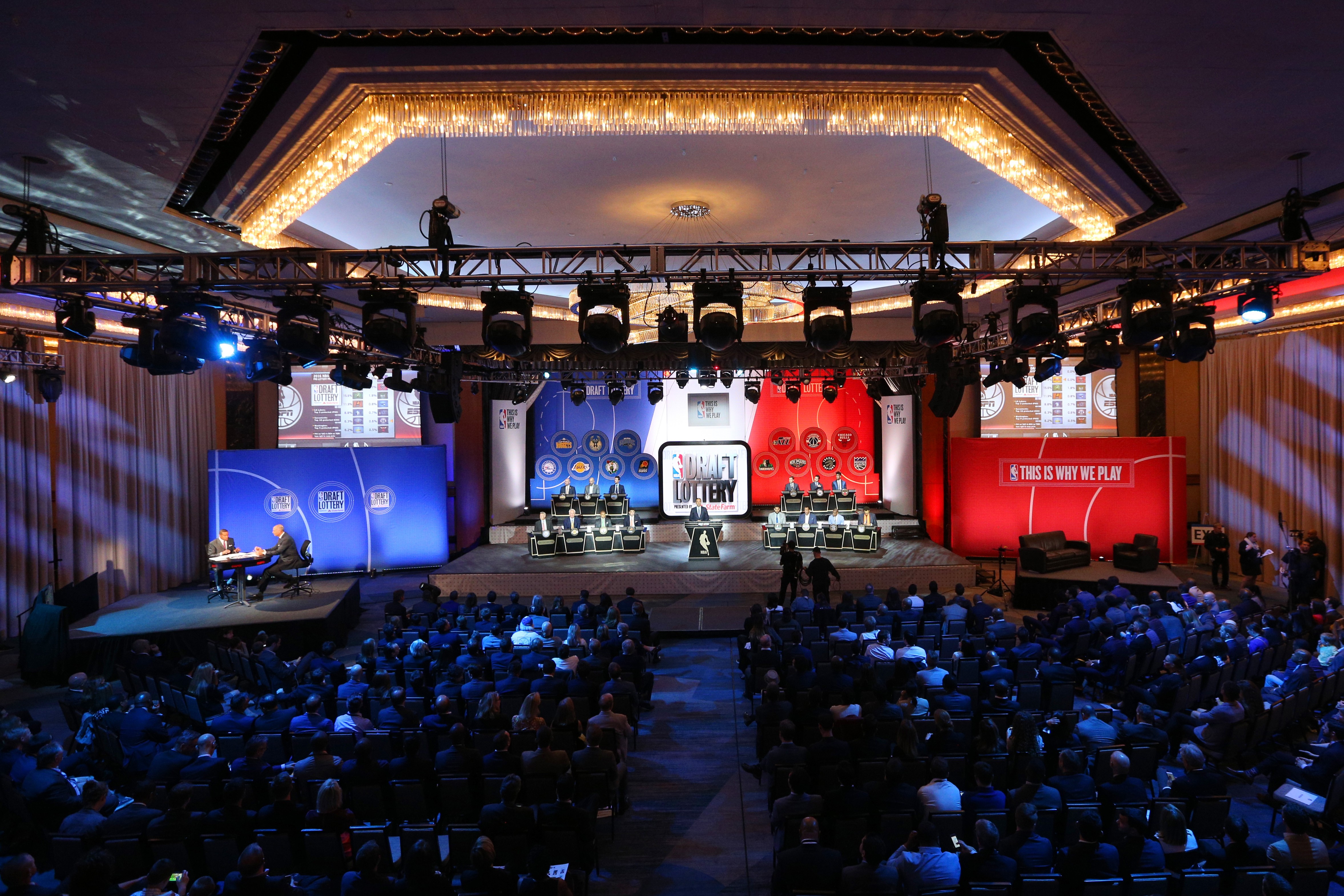
Under the current rules, only the top four picks are decided by the lottery, and are chosen from the 14 teams that do not make the playoffs. The team with the worst record, or the team that holds the draft rights of the team with the worst record, has the best chance to obtain a higher draft pick. The lottery does not determine the draft order in the subsequent rounds of the draft. The Warriors have 14% odds of winning the rights to draft No. 1, the same as the Cleveland Cavaliers and Minnesota Timberwolves -- all of which had the three worst regular season records this season. The flattened odds is part of a reformatted, flattened lottery system in place for the second consecutive season. (Replacing the old system in which 25% odds were given to the team with the worst record.) The remaining 11 lottery teams have decreasing odds all the way down to 0.5%.

In 2014, the NBA Board of Governors voted on a proposed reform to the lottery. If the proposed changes passed, the four worst teams in the league would have been given identical odds at winning the top pick. The fifth team would have a 10 percent chance and the odds would decrease for each team picking after.
The proposed changes were designed to disincentivize having the worst record in the league (at the time, the worst team was given a 25% chance at the top pick) and keep teams competitive throughout the entire season. The final vote was 17–13 in favor of the reform, short of the 23 votes in favor required to push the change through. In 1990, the NBA changed the format of the lottery to give the team with the worst record the best chance of landing the first pick.

The worst non-playoff team that season would have 11 chances, out of 66, to obtain the first pick. Similarly to the previous system, the weighted lottery system was also used only to determine the first three picks, while the rest of the teams selected in reverse order of their win-loss records. The balls drawn in determining each of the first four picks are returned to the lottery machine and can be drawn again. However, a team generally cannot win multiple picks, so the drawing of a combination assigned to a team who has already won a pick will be ignored, and will be redrawn. The exception to this rule applies where the winner of the lottery pick acquired the pick via trade. When a lottery team trades its first pick to another team, the recipient of the pick assumes the seed "earned" by the original owner of the pick, unless the terms of the trade provide otherwise.

When a lottery team trades its first pick to another team that missed the playoffs, the recipient receives the seed of the team who traded it away as well as the seed determined by its own record . This is the only situation in which a team can win multiple lottery picks. Trades are also the only way in which playoff teams can win a lottery pick. Starting from 1987, the NBA modified the lottery system so that only the first three picks were determined by the lottery. After the three envelopes were drawn, the remaining non-playoff teams would select in reverse order of their win-loss record.

This meant that the team with the worst record could receive no worse than the fourth selection, and the second-worst team could pick no lower than fifth, and so on. Free agency doesn't begin until Aug. 3, requiring teams to make their draft selections before signing any new players. For lottery teams, that means an early pick can set the tone for their entire offseason. For championship contenders, the missing depth piece they needed in the playoffs might finally be within reach.

Last year saw the introduction of the new draft lottery format in which the three teams with the worst records in the NBA have the best odds of winning the No. 1 overall pick. Prior to the 2019 draft, after the first three teams had been determined, the remaining picks were determined by regular season record with the worst teams getting the highest picks. This assured each team that it could drop no more than three spots from its projected draft position.
Since the 2019 draft, the number of lottery winners was increased from 3 to 4, with the remaining picks still assigned based on regular season record. Now a team can drop no more than four spots from its seeded position to its actual draft position. The winners of the top four picks are determined by the following process, beginning with the first draft pick. Fourteen ping pong balls numbered 1–14 are placed in a standard lottery machine and four balls are randomly selected one at a time from the lot. The balls are placed in the machine for 20 seconds to randomize before the first ball is drawn.

The remaining three balls are drawn after remixing for 10 seconds. Just as in most traditional lotteries, the order in which the numbers are drawn is immaterial; e.g., a drawing of 1–2–3–4 in that order is the same as 4–1–3–2. Then, a four-number combination from the 14 balls were drawn to determine the lottery winner. Prior to the draft, the NBA assigns 1,000 possible combinations to the non-playoff teams (the 11–12–13–14 combination is ignored and redrawn). The process was then repeated to determine the second and third pick. The table below shows the lottery chances and the probabilities for each team to win the first pick in the weighted lottery system in 1993 and 1994 draft.

The new system will level the odds at the top of the NBA Draft Lottery so that the teams with the three worst regular-season records will each have a 14 percent chance of winning the lottery. In the pre-2019 structure, the top seed had a 25 percent of winning the lottery, the second seed had a 19.9 percent and the third seed had a 15.6 percent. The Cleveland Cavaliers had two lottery picks, their own pick and the Los Angeles Clippers' pick. The Cavaliers obtained the Clippers' first-round pick from a previous trade on February 24, 2011 that sent Mo Williams and Jamario Moon to the Clippers and Baron Davis to the Cavaliers. The Cavaliers, who had the second-worst record (19–63), had a combined total of 227 chances (22.7%) to win the lottery, which consists of 199 chances (19.9%) from their own pick and 28 chances (2.8%) from the Clippers' pick. Beginning with the 2019 draft, the NBA changed the lottery odds (the bottom three teams will all have an equal 14% chance of winning the top pick) and increased the number of teams selected in the lottery from three to four.
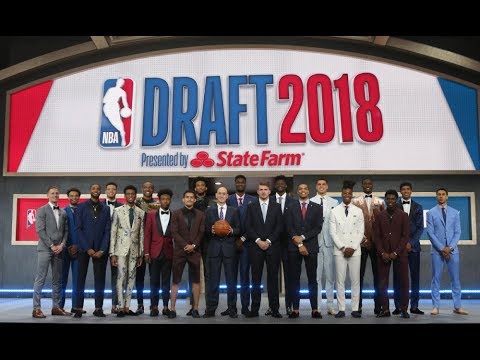
Tuesday, it's Houston, Detroit and Orlando heading the lottery field. Those three rebuilding clubs each have a 14 percent chance of winning the lottery and likely the rights to Cunningham, the 6-foot-8 combo guard who can play four positions. However, only the Rockets (17-55) — who will be represented on the lottery dais by legendary No. 1 pick Hakeem Olajuwon — are assured of a top-five pick under the new lottery math. The annual lottery features the 14 non-playoff teams and draws for the top four picks in the upcoming draft, scheduled for July 29.

After the top four, the 10 remaining teams are slotted Nos. 5-14 in reverse order of the regular season standings. In a non-COVID year, all of that would happen in a sequestered backroom, with one representative from each team with lottery implications present. The three teams with the worst regular-season record will each have a 14 per cent chance of winning the lottery. As the team with the worst regular-season record, the Golden State Warriors are guaranteed their pick is no lower than fifth. 2020 NBA Draft Lottery has FINALLY arrived and Chat Sports has live streaming coverage of every NBA lottery team's pick in the 2020 NBA Draft.

Who will get the rights to #1 overall pick and have their choice to select between a handful of talented, but relatively unknown and unproven, group of top NBA prospects. Chat Sports NBA Now hosts Jimmy Crowther and Harrison Graham bring you the LIVE 2020 NBA Draft Lottery to see if the Golden State Warriors, Cleveland Cavaliers, or Minnesota Timberwolvers win the lottery... ESPN's live coverage may give you similar information, but Chat Sports is the only live NBA stream tonight that let the audience ask hosts questions on air AND vote in polls throughout the show. Lakers star LeBron James and his representatives seem to be positioning themselves for a wide array of possible moves in the near future. How much will the reported LeBron James-Lakers rift actually matter?

A lot has gone on in the last nine days since the Lakers played their last game. We tried to figure out how much of it will have a lasting impact. Lakers fans should still celebrate LeBron James In the midst of a storm of unpleasant news, the "I Love Basketball" crew decided to celebrate LeBron James instead. For now, the Lakers will have two first round draft picks — albeit in 2027 and 2029 — to offer to teams this summer in trades, potentially to either offload Westbrook's contract or bring in a potential star player...

But the Lakers don't have that luxury of looking toward the draft, at least not in the immediate future. In an effort to reduce the incentive of teams tanking, the NBA changed its lottery odds before the 2020 NBA Draft. Under the new rules, the teams with the three worst records share the same odds for the No. 1 pick (14%) and staying in the top four (52%). Previously, the team with the worst record in the league had a 25% chance of landing the top pick, which the Sixers did twice in recent years, selecting Ben Simmons in 2016 and Markelle Fultz in 2017. LaMelo Ball and Anthony Edwards both earned top picks a year ago and responded by turning in impressive rookie seasons for the teams that selected them.

Next season, a new group of first-year players will look to make their mark on the league. But before any incoming talent can take the court, the NBA Draft will determine where the 60 of the most talented basketball prospects in the world will land. Golden State finished the regular season with the worst record, and they are one of three teams with the best odds to land the No. 1 overall pick. In 1966, the NBA revamped its draft system, and introduced a coin flip between the worst teams in each conference to determine who would obtain the first overall draft pick. The team who lost the coin flip would get the second pick, and the rest of the first-round picks were determined in reverse order of each team's win-loss record. Two players forever linked by both their home state/shared basketball journeys and their status as the top-two selections in the 2019 NBA Draft.
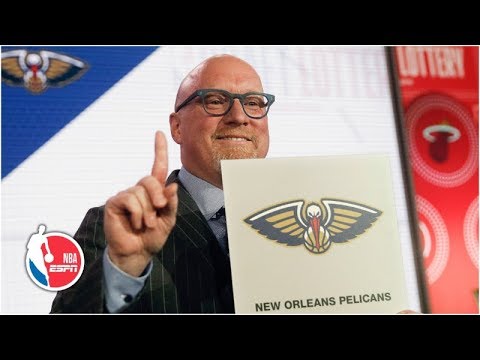
One has had moments of brilliance enveloped by months, and perhaps at this point years, of frustration and skepticism about his future for multiple reasons. The other has merged his dream for his professional career with that of the NBA franchise he now leads, looking ahead to a sprint to the playoffs and a potential push for the Western Conference Finals. The Eagles finished the regular season second to last in the NFL in sacks with the fourth worst sack percentage win rate (i.e., the percent of successful QB pressures) in the NFL. They'll need to pick up an edge, and probably two, this offseason to ensure pocket quarterbacks don't have all day against them. If Travon Walker from Georgia is on the board at 15 I can certainly see the Eagles taking him here. In free agency, meanwhile, I like the Eagles to pursue a perimeter receiver to complement Devonta Smith.

Outside of QB, the Jags could realistically explore upgrades at every position this offseason. If they want to give Trevor Lawrence space to develop while still on his rookie contract, however, they're going to need to focus on the offensive line, specifically at the C and RG positions. Two players to keep your eye on to fill these spots are Brandon Scherff, Washington Commanders free agent, and Ikem Ekwonu, the top rated offensive linemen in this year's draft. While much has been made out of Michigan DL Aidan Hutchinson going first overall, don't be surprised if the Jags opt for Ekwonu here as pressure mounts to validate the Lawrence selection from one year ago.

Thursday night, the NBA will put on a draft lottery like no other. Though typically held live, with team reps, select media and league officials present, this season's ceremony will be broadcast virtually amid the COVID-19 pandemic. The 19-year-old is touted as a future superstar; the kind of player that provides the foundation for winning for a decade or even more. It would be the equivalent of a cheat code for the Raptors because most of the time players of Cunningham's profile join teams that are in the thick of a long rebuild. Once the balls reveal the first four picks, the order then switches to the inverse, with the other 10 lottery teams going in order of their respective regular-season records.

Thursday's draft lottery has the potential to turn a few of the league's worst 14 teams' fortunes around, and it all comes down to how the pingpong balls bounce. In 1989, each of the 9 non-playoff teams had an equal chance to win the lottery, i.e. 11.11%. From 1985 to 1988, each of the 7 non-playoff teams had an equal chance to win the lottery, i.e. 14.29%.

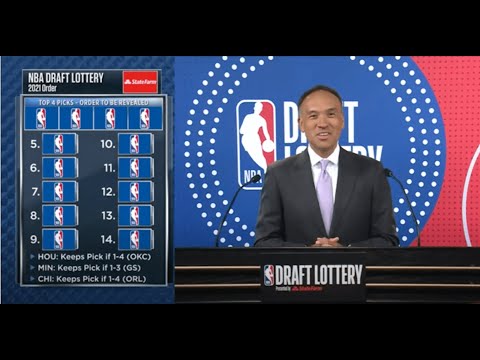
The changes implemented for 2021 will result in the following odds for teams starting with the reverse order of regular season record. Fourteen ping-pong balls numbered 1 through 14 will be placed in a lottery machine. There are 1,001 possible combinations when four balls are drawn out of 14, without regard to their order of selection. Before the lottery, 1,000 of those 1,001 combinations will be assigned to the 14 participating lottery teams.
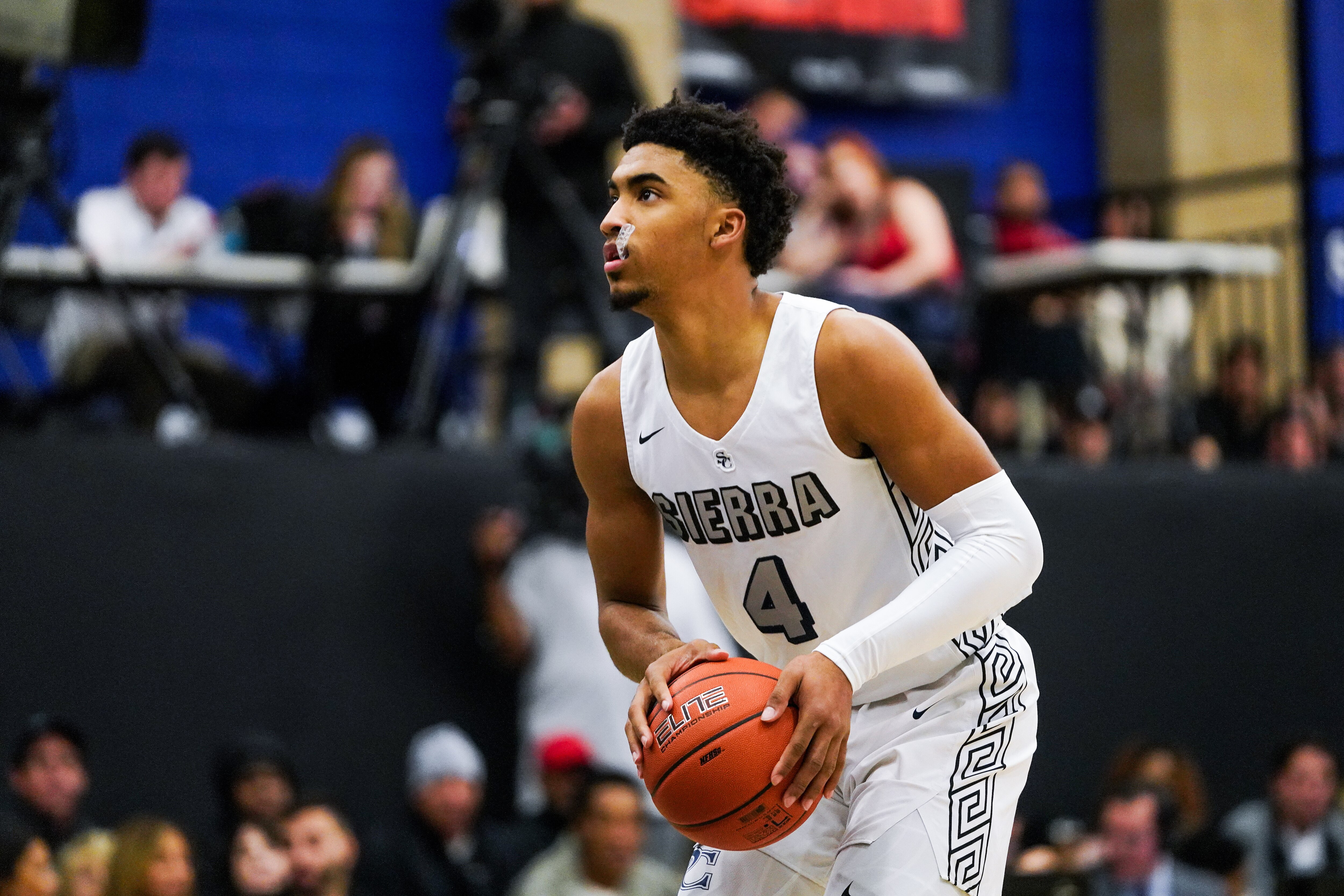
The actions of Morant, both in person and on social media, back up these words. They do not ring hollow, as perhaps the words of Zion may in New Orleans. He has earned credit and trust through these last three seasons that he supports and believes in not just the direction of the franchise, but the collective life and energy of the city. Beyond on-court production, Ja has endeared himself to his NBA home - and Memphis Grizzlies fans love him for it.

These young players led by Morant are not just NBA Finals contenders (when you're the third-best team in the NBA record wise, that is not a crazy statement). They are on pace to become even more beloved in the city/fan base than the Grit and Grind Era - the most successful run in franchise history with their own iconic chemistry - they just recently replaced. While the same word - phenomenal - could be used for the young man that eventually was drafted #2 by the Memphis Grizzlies, Ja Morant did not carry the same kind of hype. As has been stated here, there, and everywhere over the last three years, Morant was underrecruited and underappreciated throughout his rise up the basketball ranks. Both squads saw this stroke of luck as a chance to change their stars - the home run acquisition of a superstar that can eventually lead to title contention. So long as Mac Jones is on his rookie contract it appears the Patriots are going to ride it out with him.
As the only playoff team in 2021 to not have a WR in the top 25 according to PFF, the Patriots are going to need to make a move here this offseason. If Chris Olave slips down to 21, he could end up being a perfect fit for this Patriot offense. In free agency, I could see the Patriots exploring a LG though this is far less urgent than the receiver position where they're at least 2 guys short. Franz Wagner of Michigan (6-9, 220) is another supersized guard who uses his size well to post up and to finish in the paint against smaller players. On a very good team, Wagner averaged 12.5 points, 6.5 rebounds and 3 assists per game this past season. Wagner shot 83.5 percent from three-point range but only 34.3 percent from three-point range, a number that must improve.


No comments:
Post a Comment
Note: Only a member of this blog may post a comment.